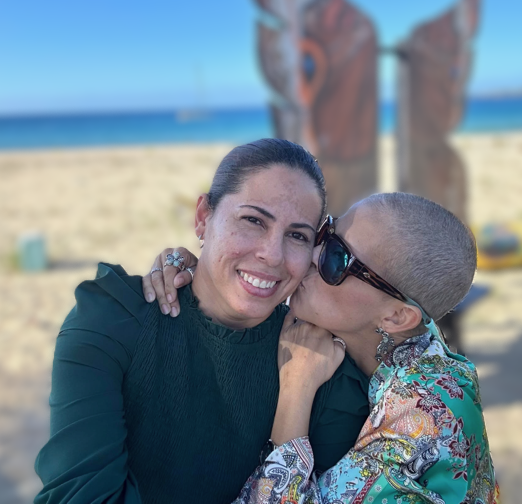
You don’t have to navigate cancer alone.
A cancer diagnosis changes everything - your body, your routines, your relationships, your identity, and your sense of safety. Whether you’re newly diagnosed, in active treatment, navigating survivorship, or living with metastatic/recurrent cancer, the emotional impact can feel overwhelming.
Therapy provides a steady, validating space to help you cope with uncertainty, process complex emotions, and feel more grounded during a time that often feels chaotic and frightening.
Oncology-specific therapy addresses cancer anxiety, “scanxiety,” medical trauma/medical PTSD, fear of recurrence, adjustment during treatment, living with metastatic/recurrent/refractory/relapsed cancer, chronic cancer stress, caregiver burnout, anticipatory grief, survivorship and identity changes.


Emotional Support:
During Diagnosis
An initial diagnosis of cancer often brings shock, fear, confusion, and a flood of information. Therapy helps you:
Regulate overwhelming emotions
Make space for fear, anger, or grief without judgement
Process difficult news
Communicate openly with loved ones
Prepare emotionally for treatment decisions
Emotional Support:
During Active Treatment
Cancer treatment affects your mind as much as your body. Many clients experience:
Anxiety before appointments
Exhaustion or overwhelm
Feelings of loss of control
Difficulty advocating for themselves
Disconnection or isolation
Therapy offers tools to manage the emotional rollercoaster of treatment while helping you feel seen and supported.


Emotional Support:
In Survivorship
Survivorship can mean different things to different people (no evidence of disease (NED) vs. remission vs. cured vs. chronic or metastatic cancer), and often brings unexpected challenges, regardless of definition.
Anxiety before follow-up scans, termed “scanxiety”
Persistent fear of recurrence
Difficulty returning to “normal life”
Identity shifts and body image concerns
Grief for what was lost
Anticipatory grief
Coping with long-term, late, or ongoing effects of treatment (fatigue, “chemo brain,” neuropathy, the list goes on and on)
Finding a sense of meaning or connection
Forming new relationships, maintaining existing relationships, and sometimes…letting go of relationships
You deserve consistent, compassionate support.
Emotional Support:
For Caregivers
Caregivers often carry invisible stress: exhaustion, guilt, resentment, fear, and heartbreak that they rarely share. Therapy provides a space where caregivers can:
Express emotions freely without worrying about burdening others
Process burnout and chronic stress
Set boundaries and ask for help
Navigate medical communication
Grieve the changes they are witnessing
Reconnect with themselves
You don’t have to be in crisis to get support - you just have to be tired of carrying it alone.